
The Allure of Chance
The thrill of uncertainty is a central element in the psychology of casino games. Players are drawn to the idea that they could win big simply by placing a bet, which is why many are exploring options like no kyc casinos. This unpredictability stirs excitement and adrenaline, which can make the gaming experience enjoyable and memorable. The human brain is wired to respond positively to risk and reward, leading individuals to repeatedly engage in gambling activities despite the inherent risks involved.
This allure of chance often taps into deeper psychological factors, such as the desire for escapism. Many players turn to casinos as a means of relieving stress or escaping the mundane aspects of daily life. The environment of a casino, filled with bright lights, sounds, and vibrant interactions, amplifies this need for distraction, making it a prime location for those seeking to break away from reality.
The Role of Cognitive Biases
Cognitive biases play a significant role in how players perceive their chances of winning. One of the most common biases is the illusion of control, where individuals believe they can influence the outcome of games of chance through skill or strategy. Even in games governed by random number generators, many players hold onto the misconception that they can sway the odds in their favor. This belief can lead to increased gambling and, in some cases, problematic behavior.
Additionally, the gambler’s fallacy is another cognitive bias that affects players’ decision-making. This fallacy entails believing that past outcomes influence future results. For instance, a player might assume that if a certain number hasn’t appeared in a roulette game for a while, it is “due” to hit soon. Such thinking often leads to players making irrational betting choices, further enhancing their investment in the game.
The Emotional Rollercoaster
The emotional experience of gambling can be likened to a rollercoaster, with highs and lows that affect players’ behavior. Winning can trigger a surge of happiness and exhilaration, reinforcing the desire to continue playing. On the flip side, losses can lead to feelings of disappointment and frustration, which may tempt players to chase their losses. This emotional cycle keeps players engaged, as they oscillate between hope and despair, driving them to spend more time and money in pursuit of the next big win.
Furthermore, the emotional responses to gambling are often amplified by social dynamics. Playing in groups or sharing wins and losses with friends can heighten the experience, making the game more enjoyable. The need for social validation can further compel individuals to participate in gambling activities, as they seek approval or camaraderie from their peers.
The Impact of Casino Design
The design and layout of casinos are meticulously crafted to enhance the gaming experience and maximize player engagement. Elements such as lighting, sound, and layout create an immersive environment that entices players to stay longer. Casinos are often designed without clocks or windows, removing the perception of time and encouraging players to lose track of their gaming duration.
Moreover, strategically placed slot machines and table games can create a sense of flow, leading players from one game to another with ease. This design tactic plays on players’ cognitive tendencies, encouraging them to continue playing as they become engrossed in the atmosphere. The goal is to create an environment where players feel comfortable and engaged, driving them to spend more time and money.
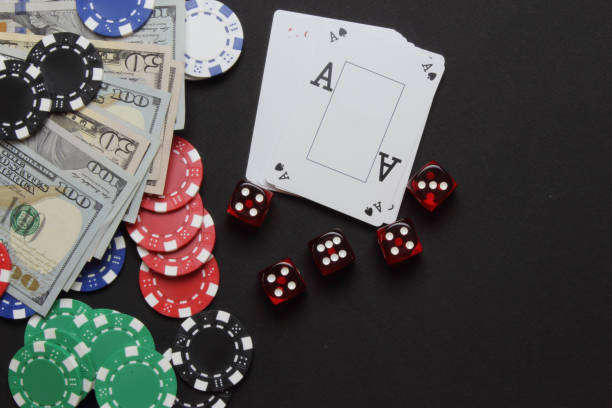
Exploring Responsible Gambling
While the psychology behind casino games can lead to thrilling experiences, it is essential to approach gambling responsibly. Understanding the psychological drivers behind gaming can help individuals recognize when their activities become problematic. Educational initiatives and support services aim to create awareness about the potential risks associated with gambling and encourage players to set limits on their spending and time.
Promoting awareness of responsible gambling practices is crucial for both players and operators. By understanding the psychological triggers and biases that affect behavior, individuals can better navigate the thrilling world of casinos while maintaining control over their gambling habits. Creating a supportive environment around responsible gambling can help mitigate the risks of developing gambling-related issues.