
Exploring global attitudes towards gambling A cultural analysis
Cultural Perspectives on Gambling
Gambling has been an integral part of human history, evolving from ancient rituals to modern-day entertainment. Different cultures approach gambling with varying degrees of acceptance, influenced by social norms, religious beliefs, and historical context. For instance, in some societies, gambling is viewed as a recreational activity that fosters social interaction, while in others, it is seen as a vice that undermines moral values. The rise of online platforms like spin-lander.uk has further transformed how individuals relate to gambling.

In Asian cultures, gambling often intertwines with tradition, as evidenced by events like Lunar New Year, where games of chance play a significant role in celebrations. Conversely, many Western cultures grapple with the moral implications of gambling, which can lead to restrictive legislation and a stigma surrounding those who partake. Understanding these cultural nuances is essential for grasping global attitudes towards gambling.
The Rise of Online Gambling
The digital age has revolutionized the gambling landscape, giving rise to online gambling platforms that offer convenience and accessibility. This shift has altered how individuals engage with gambling, blurring the lines between casual play and serious gaming. Online gambling appeals to a wider audience, from casual players to high rollers, thanks to its vast array of options and 24/7 availability.
However, the rise of online gambling also raises concerns regarding addiction and the potential for exploitation. Cultural attitudes towards online gambling vary, with some countries embracing it as a legitimate form of entertainment, while others impose strict regulations or outright bans. This dichotomy reflects deeper societal values about risk-taking and financial responsibility.
The Role of Regulation in Gambling Practices
Regulatory frameworks significantly impact how gambling is perceived and practiced within different cultures. In countries where gambling is heavily regulated, such as the United Kingdom, there are established protections for consumers, which can foster a more positive attitude towards the industry. This contrasts sharply with regions where gambling is outlawed or exists in a legal gray area, leading to underground markets and negative societal perceptions.
Moreover, the effectiveness of regulations can shape cultural attitudes towards gambling. In environments where gambling is legal and regulated, people may view it as a legitimate entertainment option. Conversely, strict prohibitions can lead to a culture of secrecy and shame surrounding gambling activities, often resulting in a cycle of avoidance and addiction.
The Influence of Social Media and Technology
Social media has become a powerful tool in shaping public perceptions of gambling. Platforms like Instagram and Twitter feature influencers who promote online casinos and gaming apps, often blurring the lines between casual advertising and endorsement. This can lead to a normalization of gambling among younger audiences, creating a cultural shift in how gambling is perceived.
Furthermore, advancements in technology, such as virtual reality and blockchain, are revolutionizing the gambling experience. These innovations not only enhance user engagement but also bring new ethical considerations to the forefront. As technology continues to advance, cultural attitudes towards gambling will likely evolve, demanding ongoing analysis and adaptation from stakeholders in the industry.
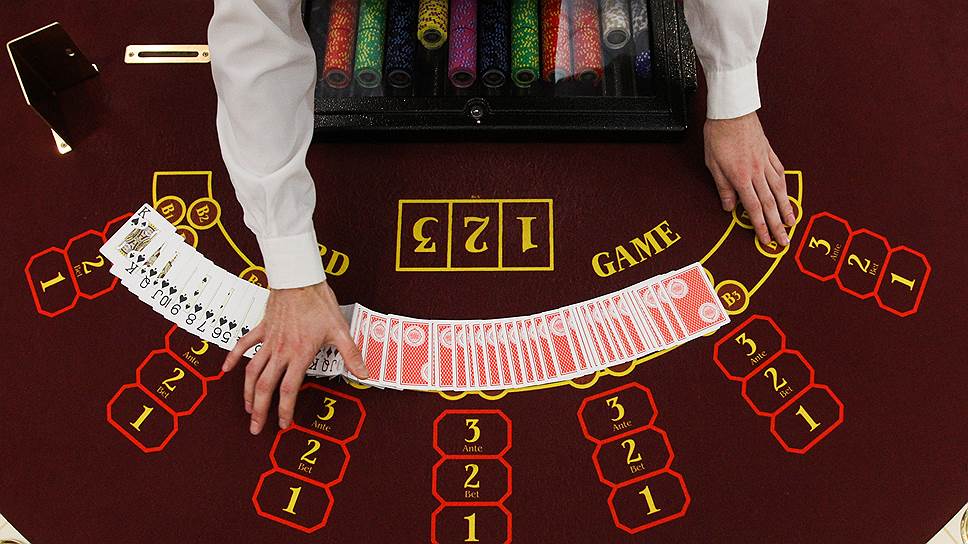
Conclusion: Navigating Global Gambling Attitudes
Understanding global attitudes towards gambling requires a multifaceted approach that considers cultural, social, and technological influences. The varying perspectives reveal a complex landscape where acceptance and regulation are often at odds. As societies grapple with the implications of gambling, ongoing dialogue and research are essential for fostering responsible practices.
Online gaming platforms, like those found at SpinLander Casino, offer a glimpse into the future of gambling, blending entertainment with cultural nuances. By exploring these dynamics, players and industry professionals alike can navigate the diverse attitudes towards gambling while promoting responsible gaming practices in an increasingly digital world.