
The psychology of risk in gambling understanding decision-making processes
The Nature of Risk in Gambling
The concept of risk in gambling is multifaceted and deeply rooted in human psychology. Gambling inherently involves uncertainty and the possibility of loss, which can trigger various emotional responses. Many individuals engage in gambling as a form of entertainment, but the allure of risk can lead to complex decision-making processes that influence their behaviors. For example, exploring neosurf casino options can add an exciting layer to the decision-making journey. Understanding these dynamics is crucial for both players and those who study the psychological aspects of gambling.
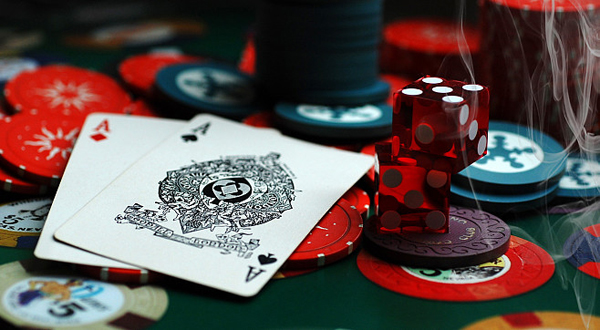
Moreover, the thrill associated with high-stakes betting can alter an individual’s perception of risk. This sensation, often referred to as the “gambler’s fallacy,” can lead players to believe they have greater control over outcomes than they actually do. This cognitive bias plays a significant role in how decisions are made during gambling, encouraging individuals to take risks they might otherwise avoid.
Psychological Factors Influencing Decision-Making
Several psychological factors contribute to how individuals make decisions while gambling. One of the most significant is the concept of loss aversion, where the pain of losing is felt more intensely than the pleasure of winning. This phenomenon can lead players to make irrational choices, such as chasing losses in hopes of recovering their money, which often results in even greater losses.
Additionally, social influences can impact decision-making in gambling scenarios. Peer pressure and societal norms may encourage risk-taking behaviors, pushing individuals to gamble in ways they might not choose if acting independently. This social dimension can further complicate the psychological landscape of gambling, as individuals navigate their desires to fit in or impress others while grappling with their understanding of risk.
The Role of Cognitive Biases
Cognitive biases play a vital role in the decision-making processes of gamblers. For instance, the confirmation bias leads individuals to focus on information that supports their beliefs about their gambling strategies while ignoring evidence that contradicts those beliefs. This selective attention can reinforce poor decision-making and lead to continued engagement in risky gambling behaviors.
Another notable bias is the availability heuristic, where individuals assess the likelihood of an event based on how easily they can recall similar instances. In gambling, this might manifest as overestimating the chances of winning based on recent wins or stories of luck from friends. These cognitive shortcuts can significantly distort a gambler’s perception of risk and influence their betting patterns.
Implications for Responsible Gambling
Understanding the psychology of risk in gambling is essential for promoting responsible gambling practices. By recognizing the cognitive biases and emotional factors that influence decision-making, stakeholders can develop better strategies to educate players about the risks involved. This awareness can empower individuals to make informed choices, minimizing the likelihood of developing problematic gambling behaviors.
Furthermore, implementing responsible gambling initiatives, such as self-exclusion programs and access to support resources, can help individuals manage their gambling activities. Encouraging open conversations about the psychological aspects of gambling can foster a more informed and responsible gaming environment, reducing the potential for negative outcomes.

Enhancing Your Gambling Experience
For those interested in exploring the world of online gambling responsibly, finding reliable platforms is key. Resources that focus on understanding gambling psychology not only enhance the gaming experience but also promote safer practices. Players can benefit from sites that offer insights into decision-making processes while providing access to secure gambling options.
By prioritizing knowledge and responsible practices, individuals can navigate the complexities of gambling in a healthier way. Whether seeking entertainment or the thrill of risk, a well-rounded understanding of the psychology of gambling will ensure a more enjoyable and secure experience.